This is a comprehensive guide to custom cushion design styles, exploring the intersection of aesthetics, material science, and lifestyle integration.
The Art of the Tailored Seat: A Definitive Guide to Custom Cushion Design Styles
In the world of interior and exterior design, cushions are often treated as afterthoughts—accessories thrown onto a bench or a chair to provide a bit of softness. However, for those who understand the nuances of custom furniture, a cushion is a foundational design element. It is the bridge between the rigid architecture of furniture and the fluid comfort of human life.
Choosing a custom cushion isn’t just about picking a color; it’s about selecting a “language” for your space. Whether you are outfitting a minimalist window nook, a rugged outdoor patio, or a formal dining hall, the design style you choose dictates the mood of the entire room.
Below, we explore the primary design styles for custom cushions, the technical details that define them, and how to choose the right one for your home.
- The Modern Minimalist: “Clean Lines and Hidden Strength”
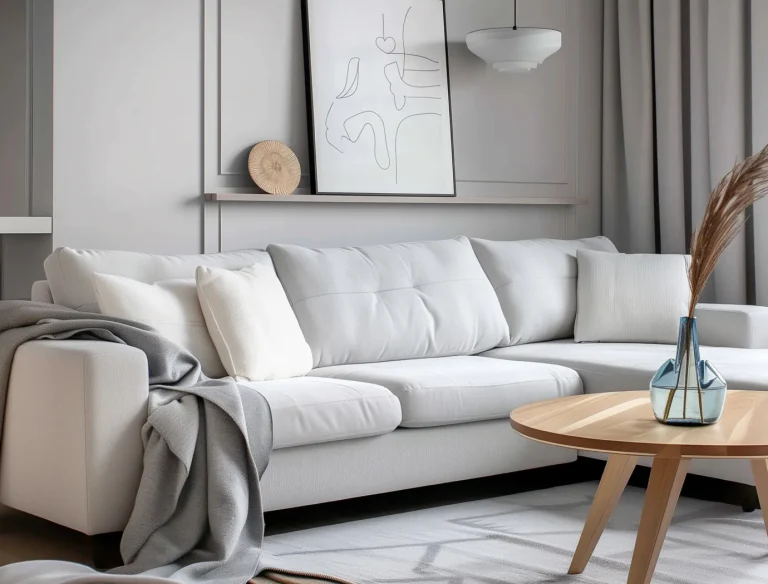
The Minimalist style is perhaps the most popular in contemporary urban homes. It prioritizes function, sleekness, and a “built-in” look.
Visual Characteristics
Minimalist cushions are characterized by sharp, boxy edges and a total absence of decorative flourishes like tufting or ruffles. The goal is for the cushion to look like a natural extension of the furniture itself.
Edges: Usually finished with a “Knife Edge” (where the top and bottom fabrics meet at a single seam) or a simple “Box Edge” without piping.
Color Palette: Monochromatic tones—cool grays, crisp whites, or deep charcoals.
The Fit: These must be measured to the millimeter. A minimalist cushion that is even a half-inch too small looks like an error, not a choice.
Best For
Modern condos, integrated window seats, and Scandinavian-inspired entryways.
- The High-Performance Outdoor: “Resilience Meets Luxury”
Designing for the outdoors requires a balance of rugged durability and “resort-style” aesthetics. The outdoor style is less about a specific shape and more about the integrity of the finish.
Visual Characteristics
Outdoor cushions often lean toward a “Hamptons” or “Mediterranean” vibe. They are typically thicker to provide comfort over hard teak, wrought iron, or stone surfaces.
Fabric Choice: This style is defined by Solution-Dyed Acrylics (like Sunbrella). These fabrics aren’t just colored on the surface; the pigment is part of the fiber, preventing UV fading.
Details: Heavy-duty piping (welting) is common here. It provides structural reinforcement to the seams, helping the cushion hold its box shape against the wind and humidity.
The “Drainage” Design: High-end outdoor styles incorporate mesh bottom panels or open-cell foam to allow water to pass through rather than pooling and creating mildew.
Best For
Poolside loungers, deck benches, and fire-pit seating.
- The Classic Traditional: “Texture, Tufting, and Timelessness”
If Minimalist design is about silence, Traditional design is about a rich, tactile conversation. This style draws inspiration from English country houses and French provincial manors.
Visual Characteristics
This style celebrates the “pincushion” look and artisanal details.
Tufting: Using buttons or “tacks” to create dimples in the foam. This isn’t just for looks; it keeps the inner fill from shifting over time.
Bullion Fringe and Ruffles: For high-end traditional looks, the “skirt” of the cushion might feature fringe or pleated ruffles, hiding the legs of the bench or chair.
Fabrics: Rich textures like velvet, chenille, or heavy jacquard patterns (florals, damasks, and stripes).
Best For
Heirloom dining chairs, Victorian-style mudroom benches, and formal parlors.
- The Industrial Loft: “Raw Materials and Honest Utility”
The Industrial style is about “honesty.” It celebrates the materials—leather, canvas, and metal—and doesn’t try to hide the construction process.
Visual Characteristics
Industrial cushions look like they belong in a converted warehouse or a high-end workshop.
Material: Distressed faux-leather or heavy-duty waxed canvas. These materials age beautifully, developing a “patina” over time.
Contrast Stitching: Rather than hiding the thread, Industrial cushions often use a thicker, contrasting thread (like tan thread on black leather) to highlight the craftsmanship.
Hardware: Sometimes features exposed brass zippers or heavy leather ties to secure the cushion to the bench.
Best For
Kitchen island benches, metal entryway furniture, and “Man Cave” seating.
- The Organic / Boho-Chic: “Softness Without Structure”
The Boho style rejects the rigidity of the Box Edge. It is about “hygge”—the Danish concept of coziness and contentment.
Visual Characteristics
These cushions often look like a hybrid between a mattress and a pillow.
The French Mattress Stitch: Instead of a sharp seam, the edges are hand-stitched to create a soft, rolled look. It gives the cushion a “quilted” appearance.
The “Lofty” Fill: While other styles use high-density foam for a firm seat, Boho cushions often use a foam core wrapped in thick dacron or even down-feathers to create a “cloud-like” feel.
Patterns: Earthy tones, terracotta, mustard yellows, and ethnic prints (Ikat or Kilim).
Best For
Reading nooks, floor seating, and bohemian sunrooms.
Technical Foundations: What Makes the Style Work?
No matter which style you choose, the “custom” element depends on three technical factors that must be executed correctly:
I. The Foam Density (The “Soul” of the Style)
The design style dictates the foam. A Minimalist bench needs a High-Density (2.5 lb/ft³) foam to maintain those sharp, straight lines. An Organic/Boho cushion might use a Medium-Density foam with a thick fiber wrap to achieve that rounded, soft-edge look.
II. Piping (Welting): To Pipe or Not to Pipe?
Piped Edges: A cord wrapped in fabric is sewn into the seam. This is essential for Traditional and Outdoor styles. It defines the shape and adds a “pop” of contrast color if desired.
Knife Edges: Best for a modern, pillow-like look. It makes the cushion look thinner and more streamlined.
III. The Securement: Ties, Velcros, or Non-Slip?
How the cushion stays on the furniture is part of the design.
Fabric Ties: Adds a “cottage” or traditional feel.
Hidden Velcro Straps: Keeps the lines clean for Modern/Minimalist styles.
Non-Slip Underside: Ideal for heavy bench cushions where you don’t want any visible attachments.
How to Choose Your Style
When deciding on your custom design, ask yourself these three questions:
What is the “Architecture” of the furniture? If the furniture has ornate carvings, go Traditional. If it is a simple slab of wood or metal, go Minimalist or Industrial.
What is the “Traffic” level? For a dining bench used daily by kids, choose an Industrial or Modern style with easy-to-clean, high-density foam. For a decorative window seat, indulge in the French Mattress or Boho style.
What is the Lighting? In bright sunrooms, choose an Outdoor-spec style even if it’s technically indoors, to ensure the “style” doesn’t fade away within a year.
Conclusion
Custom cushions are the ultimate intersection of interior design and personal comfort. By moving away from “standard” retail options and embracing a specific design style—whether it’s the sharp precision of Minimalism, the rugged elegance of Outdoor, or the hand-stitched warmth of a French Mattress—you transform a house into a curated home.
The right cushion doesn’t just provide a place to sit; it completes the visual story of your space. Invest in the foam, obsess over the fabric, and choose a style that reflects how you truly want to live.