Accurate measurements help us make cushions that fit your space properly. Use a tape measure and record your dimensions in inches before ordering.
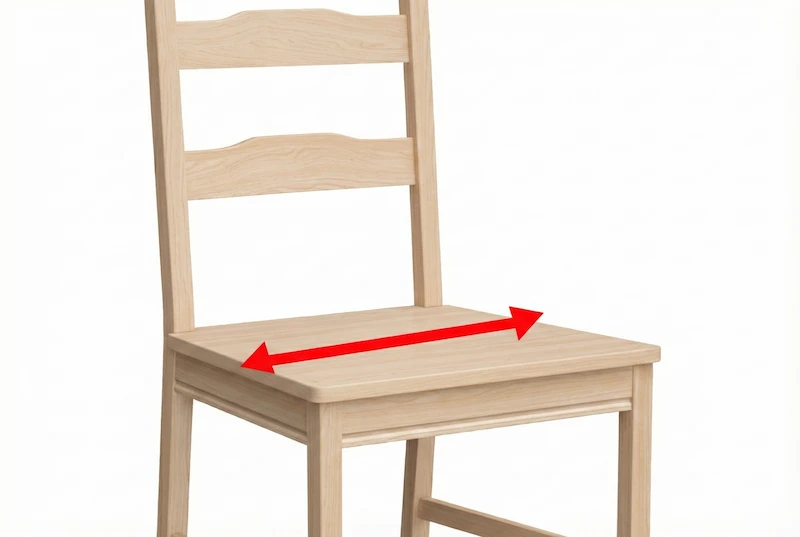
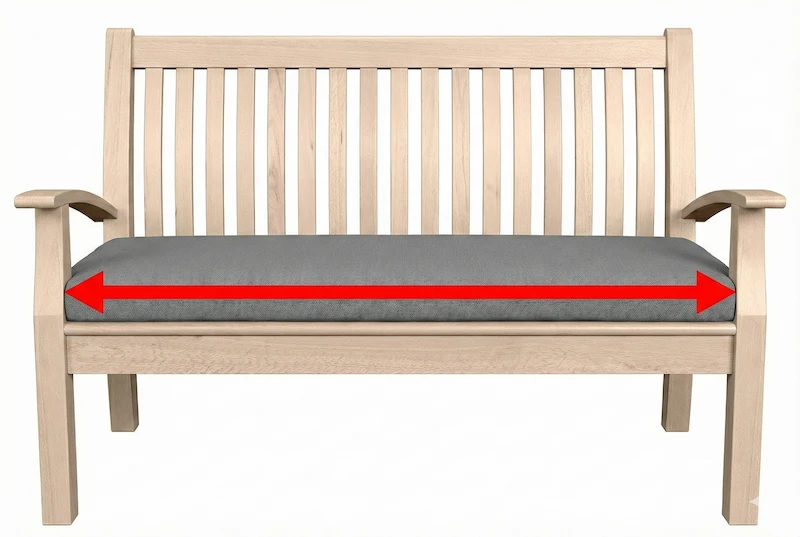
Width: Measure from left to right across the seating area.
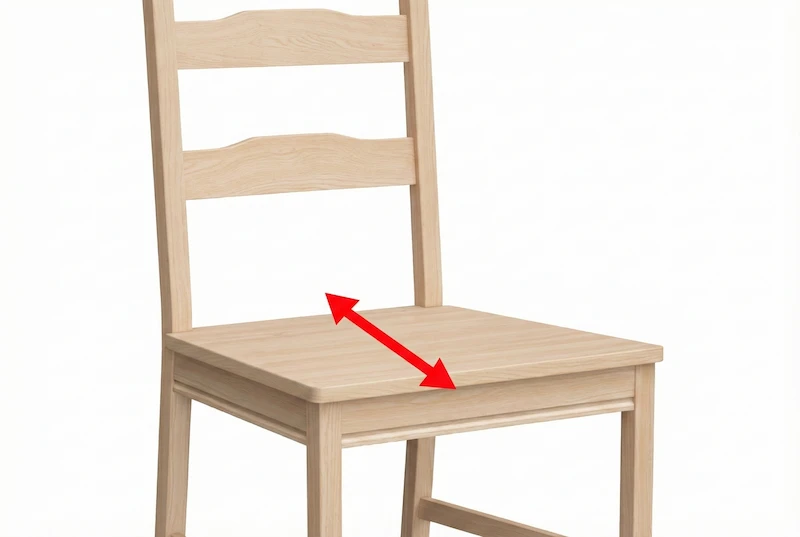
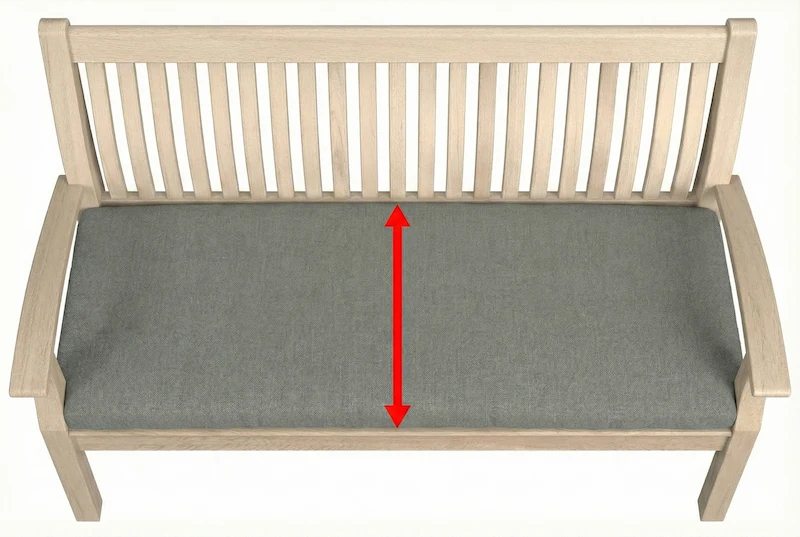
Depth: Measure from front to back.
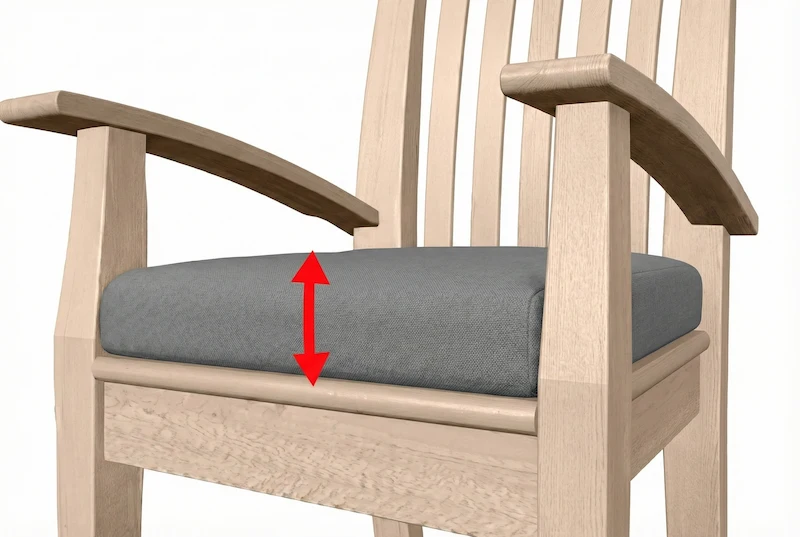
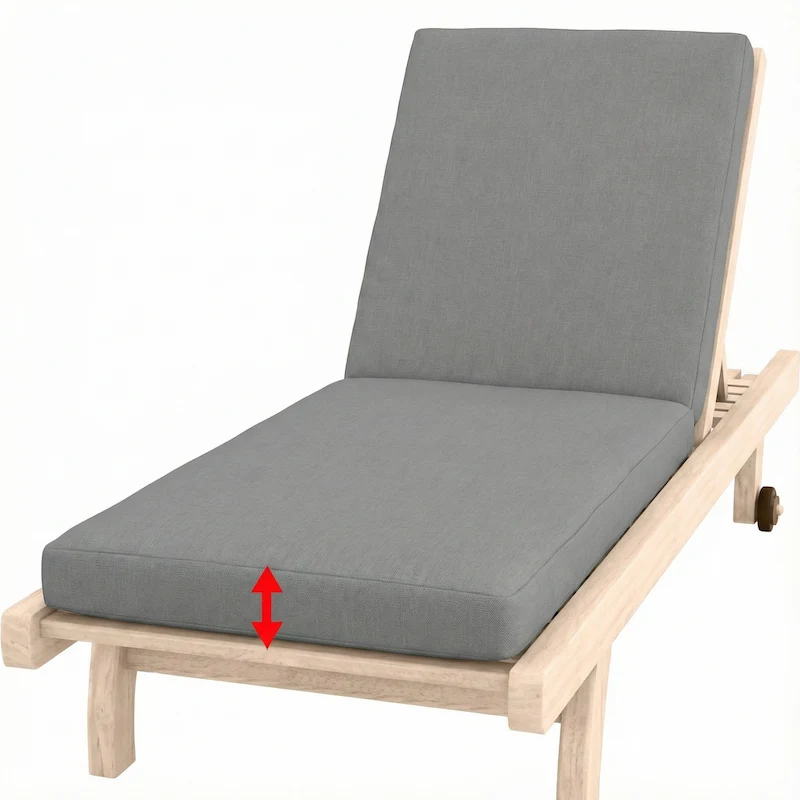
Thickness: Choose the cushion height that matches your comfort and furniture style.
Irregular shapes: Contact us before ordering if your cushion needs rounded corners, notches, angles, or a special template.
If you are unsure, contact us with photos and measurements before placing your order.
Measuring Guide
Get the perfect fit for your custom cushions with our comprehensive measuring guide
Cushion Thickness
Selecting the right cushion thickness is essential for optimal comfort and proper fit with your chair frame. A cushion that’s too thick or too thin can lead to discomfort and affect the overall seating experience.
Important Note
Choosing the right cushion thickness is a personalized process that requires careful consideration of multiple factors. Remember that both excessively thick and thin cushions can compromise your comfort.
Measure Your Existing Cushion
If you have an old cushion, measure its thickness as a reference point. This is the most reliable way to ensure you get a similar level of comfort.
The Book Stack Method
Don’t have an old cushion? Stack books on your chair seat to simulate cushion thickness. Ensure they’re stable to get an accurate sense of the ideal height.
Consider Armrest Height
If your chair has armrests, choose a thickness that maintains proper armrest height. Too thick may make armrests uncomfortably low.
Personal Preference Matters
Cushion comfort is subjective. Consider trying different thicknesses to find what feels best for your body and seating style.
Match to Usage Environment
For long work hours, choose softer, thicker cushions. For short relaxation periods, firmer options work well.
Cushion Width
When measuring for your new chair cushion, always measure the actual furniture width, not your old cushion. Different cushion thicknesses can affect coverage area, so measuring the furniture directly ensures full coverage and optimal support.
Pro Tip
Measure from one side edge of the seat to the other at the widest point. For chairs with curved or irregular shapes, measure the area where you want the cushion to sit.
Cushion Depth
Cushion depth is the distance from the front edge of the seat to the back edge. Start your measurement at the front edge and extend to where the seat meets the backrest. This ensures accurate depth measurement for the perfect cushion fit.
Measurement Tip
For chairs with sloped seats, measure along the seating surface, not in a straight line through the air. This accounts for the actual sitting area.
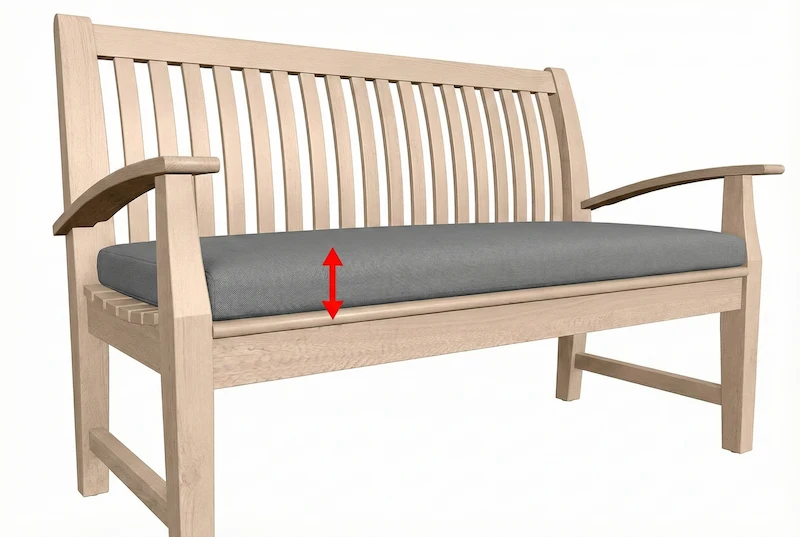
Bench Cushion Thickness
While cushion thickness preferences vary, it’s crucial to select a thickness that complements your bench frame. An ill-fitting cushion—whether too thick or too thin—can significantly impact comfort and aesthetics.
Armrest Consideration
If your bench has armrests, avoid cushions that are too thick, as this may cause the armrests to sit uncomfortably low. Always factor in the height of both the bench frame and armrests when making your selection. Reference Existing Cushions If you have an old bench cushion, measure its thickness to determine what works best for your setup. Simulate with Books Stack books on the bench to test different heights and find the ideal thickness for your comfort needs.
Bench Cushion Width
Measure the actual furniture area you want covered, not your old cushion width. This ensures proper coverage and fit.
Box Edge Construction Note
Bench cushions with box edge construction will have a slight bulge on the front, sides, and back due to the filling material. If placing your cushion in a tight space, we recommend reducing the width by ½ inch to accommodate this natural expansion. For multiple cushions placed side-by-side in confined areas, reduce each cushion’s width by ½ inch to ensure a proper fit.
Bench Cushion Depth
Measure from the front edge of the bench to the back edge. For benches with backs, measure to where the seat meets the backrest.
Measuring the Notches
Heads up on the corners—don’t miss the notching. You’ll likely need a cut-out on each of the four corners for a proper fit. Make sure you’re crystal clear on whether they need to be notched before finalizing the numbers.
Chaise Lounge Cushion Thickness
Selecting appropriate cushion thickness for your chaise lounge is critical for achieving maximum comfort. The wrong thickness can compromise your relaxation experience.
Frame & Armrest Compatibility
For chaise lounges with armrests, be cautious not to select a cushion that’s too thick. This can result in armrests sitting uncomfortably low. Always consider both frame height and armrest positioning to ensure optimal comfort and safety. Measure Flat on Floor If you have an existing cushion, lay it flat on the floor before measuring to ensure accuracy and consistency. Test Different Heights Use stacked books to simulate various cushion thicknesses and determine what feels most comfortable for lounging.
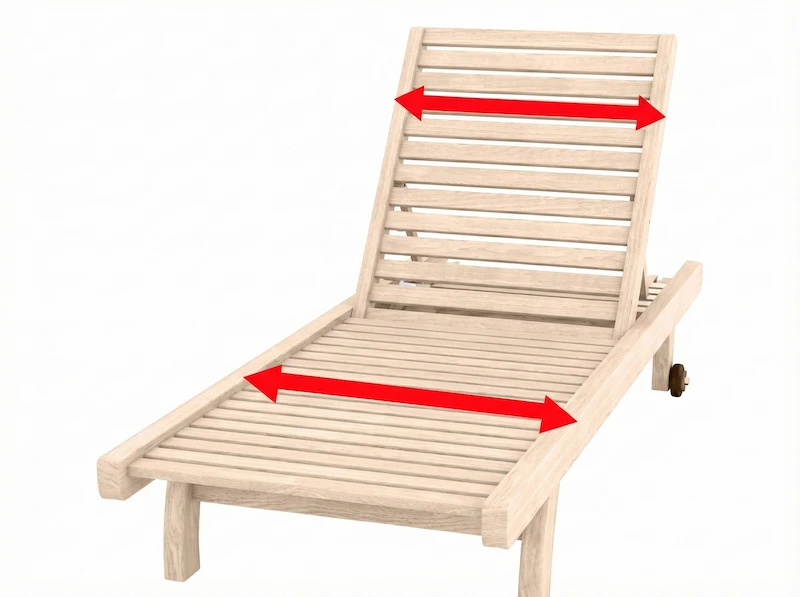
Chaise Lounge Cushion Width
Always measure the actual furniture area you wish to cover, not your old cushion. Different chaise lounge models have varying widths, so individualized measurement is essential for proper coverage.
Account for Curves
Chaise lounges often feature curved shapes in the seat and back areas. When measuring width, consider these curves to ensure your cushion will fully cover the furniture surface and conform to its unique shape.
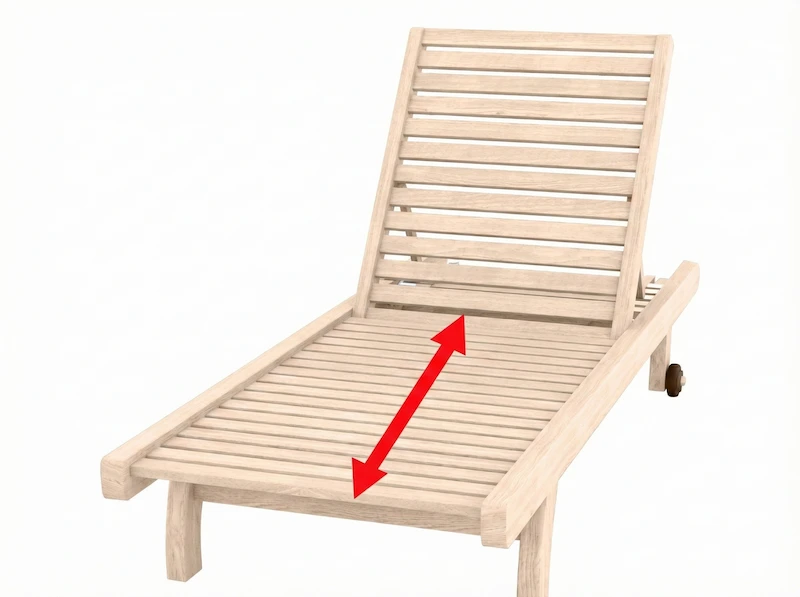
Chaise Lounge Seat Depth
Measure from the front to the back of the chaise lounge seat. This measurement refers specifically to the chair cushion portion—the area that supports your body when seated.
Important Considerations
Seat depth may vary between chaise lounge models. Some feature adjustable chair cushions that can be moved forward or backward. Always measure the fixed seat area, not removable sections. Additionally, account for the backrest angle and curved shape to ensure proper fit and comfortable support.
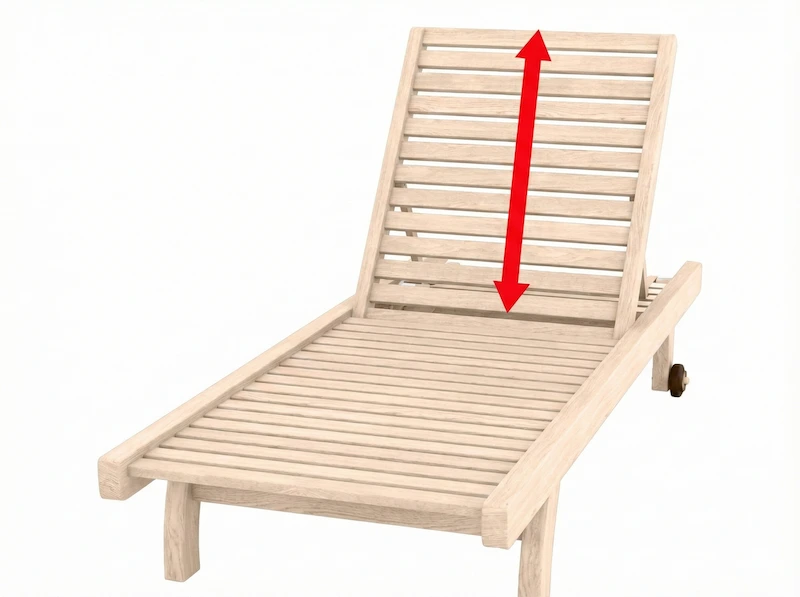
Chaise Lounge Back Height
Measure from the bottom of the backrest to the top, capturing the full height from the lowest to highest point. This measurement is crucial for ensuring proper back support.
Adjustable Backrests
Different chaise lounges have varying backrest heights, and some feature adjustable angles. When measuring, focus on the fixed cushion backrest height, not adjustable components. Consider the curved shape of both the seat and backrest to ensure your cushion will conform properly and provide optimal support.
Custom Shaped Cushions
At Rofielty, our expert sewing department specializes in creating cushions of any shape and size. For uniquely shaped cushions beyond standard squares and rectangles, we require a template or pattern to ensure we craft exactly what you need.
Measurement Best Practice
Old cushions may become misshapen over years of use and wear. For the most accurate measurements, always measure your existing furniture or space directly rather than using worn cushions as a reference. This ensures your new custom cushion will fit perfectly.
Step-by-Step Measuring Process
Follow these professional steps to accurately measure your custom shaped cushion:
Measure Along the Perimeter
Hold tape close to the surface, move along the edge. Keep tape taut and level for precise results.
Gather Your Tools
You’ll need a soft tape, pen, and paper for measurements. A smartphone is also great for reference photos.
Position for Measurement
Place your shaped cushion (if measuring an existing one) or access your furniture on a flat, level surface to ensure accurate measurements.
Establish Starting Point
Using your tape measure, begin at one edge of the cushion or furniture surface. If there’s a border or edge detail, start at the outermost point.
Accuracy Note
Custom shapes may have slight variations. For best results, provide detailed specs along with a physical template or clear photos showing all angles of your space or furniture.
Record All Measurements
When you reach the other side, document the measurement. Mark both starting and ending positions on your paper and write down the exact values.
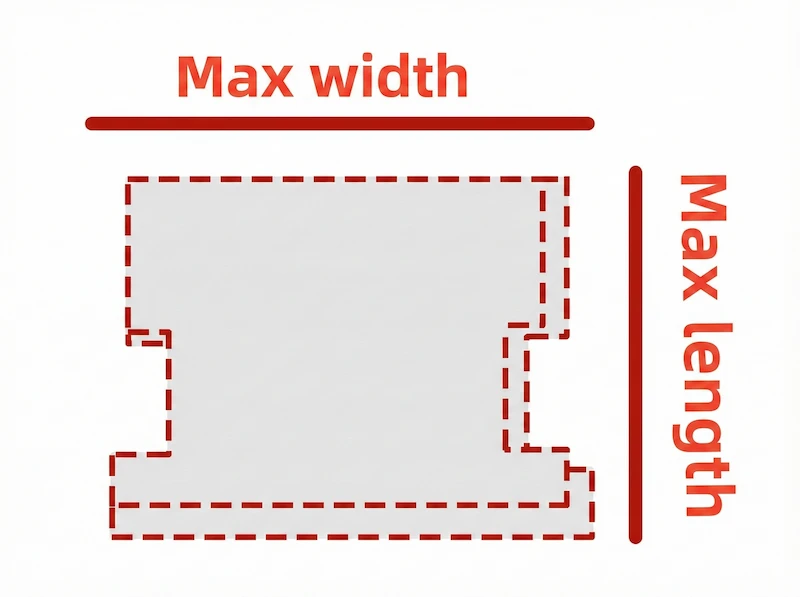
Break Down Complex Shapes
Break complex shapes into simple parts. Measure each section, plus the max length and width of the overall irregular form.
Create a Template
For the most accurate results, create a paper or cardboard template of your cushion shape. Trace the outline directly from your furniture or existing cushion, then label all dimensions on the template.
What We Need From You
Accurate data allows us to craft the perfect custom cushion tailored specifically to your needs.
Detailed Measurements
Provide all dimensions including length, width, depth, and any curved or angled sections. More detail ensures better accuracy.
Physical Template
A paper or cardboard cutout of the exact shape provides our team with a precise reference for cutting and sewing.
Reference Photos
Clear photos from multiple angles help us understand your space and any unique features that might affect cushion design.
Special Requirements
Let us know about any special needs: ties, zippers, specific fabrics, or unique construction details for your custom cushion.
✴︎ Ready to Order Your Custom Cushions?
Our team of experts is here to help you create the perfect cushions for your space. Whether you need standard or custom shapes, we’ve got you covered.